Christine Gu
Context
This project grew out of a conversation with my Product Manager about enhancing the win/loss experience on Yahoo Fantasy Sports. As someone relatively new to the sports world, I brought a fresh perspective — and a genuine frustration. The app felt overwhelming. Too many players, too many charts, and no clear place to start. I just wanted a quick summary: how did my team do, who showed up, and who let me down?
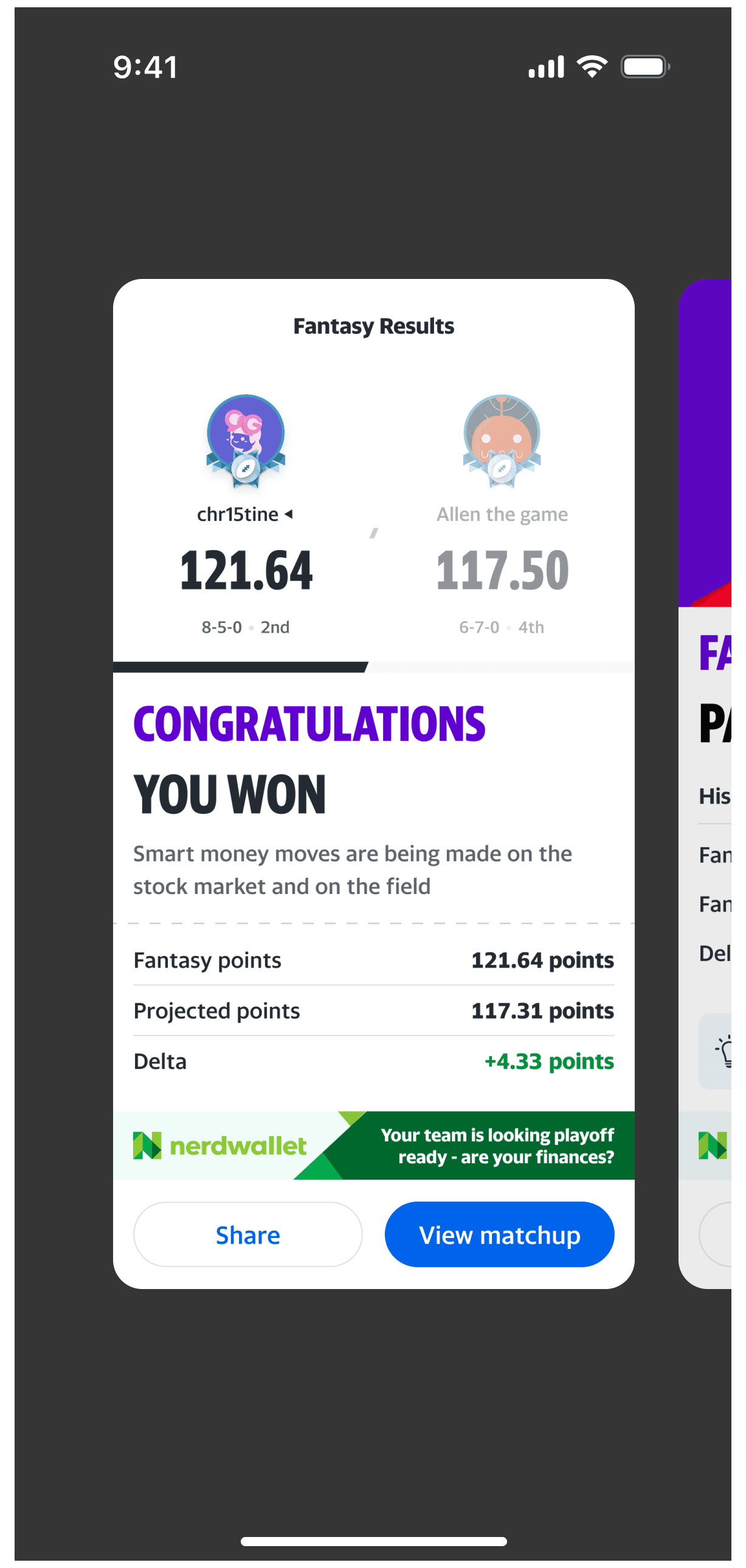
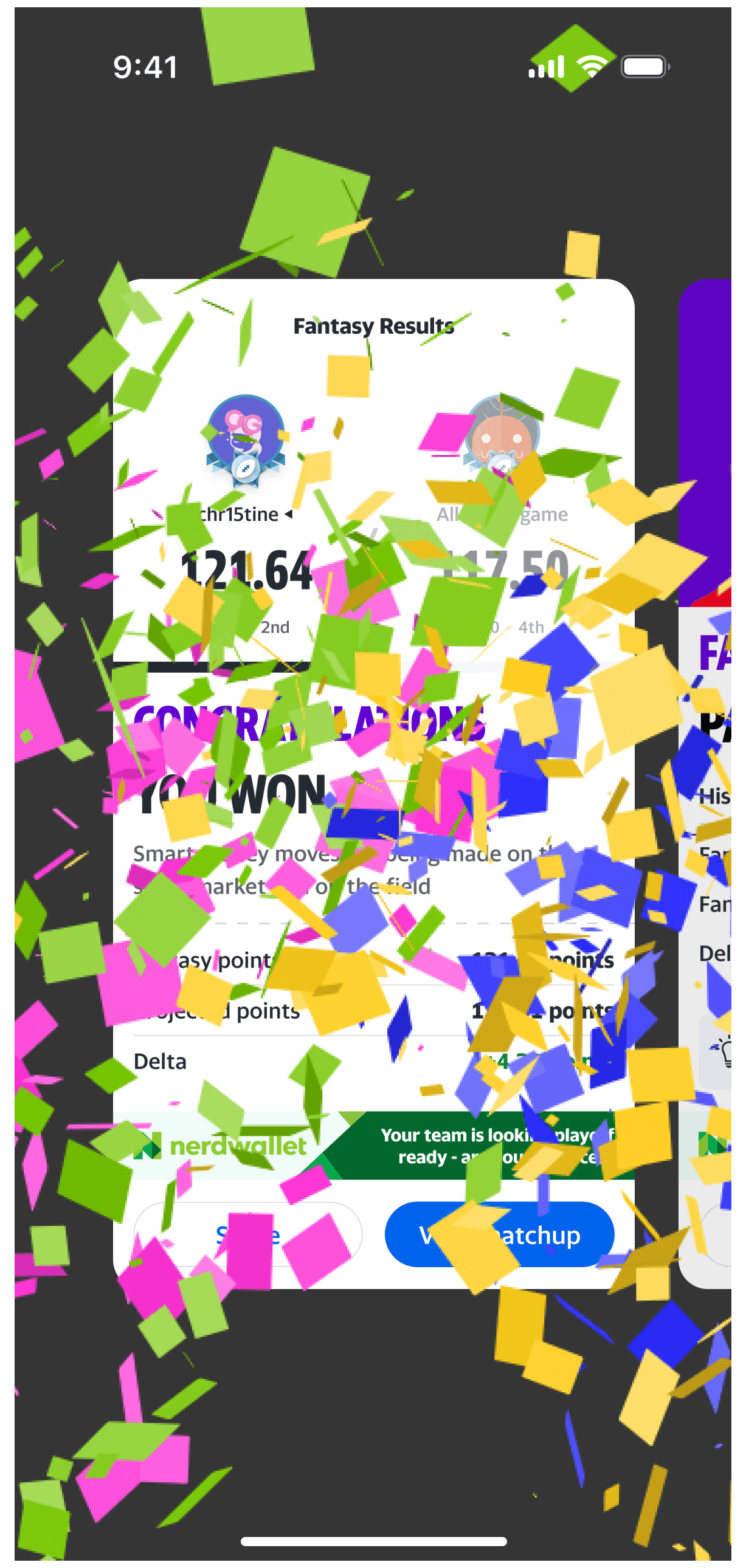
That frustration became a design brief. After auditing the weekly fantasy experience end-to-end — team formation, trades, and results — we zeroed in on the win/loss module as the biggest missed opportunity. At the time, it was little more than a pop-up that told you if you won or lost, paired with an ad and some half-baked confetti. Functional, but forgettable.
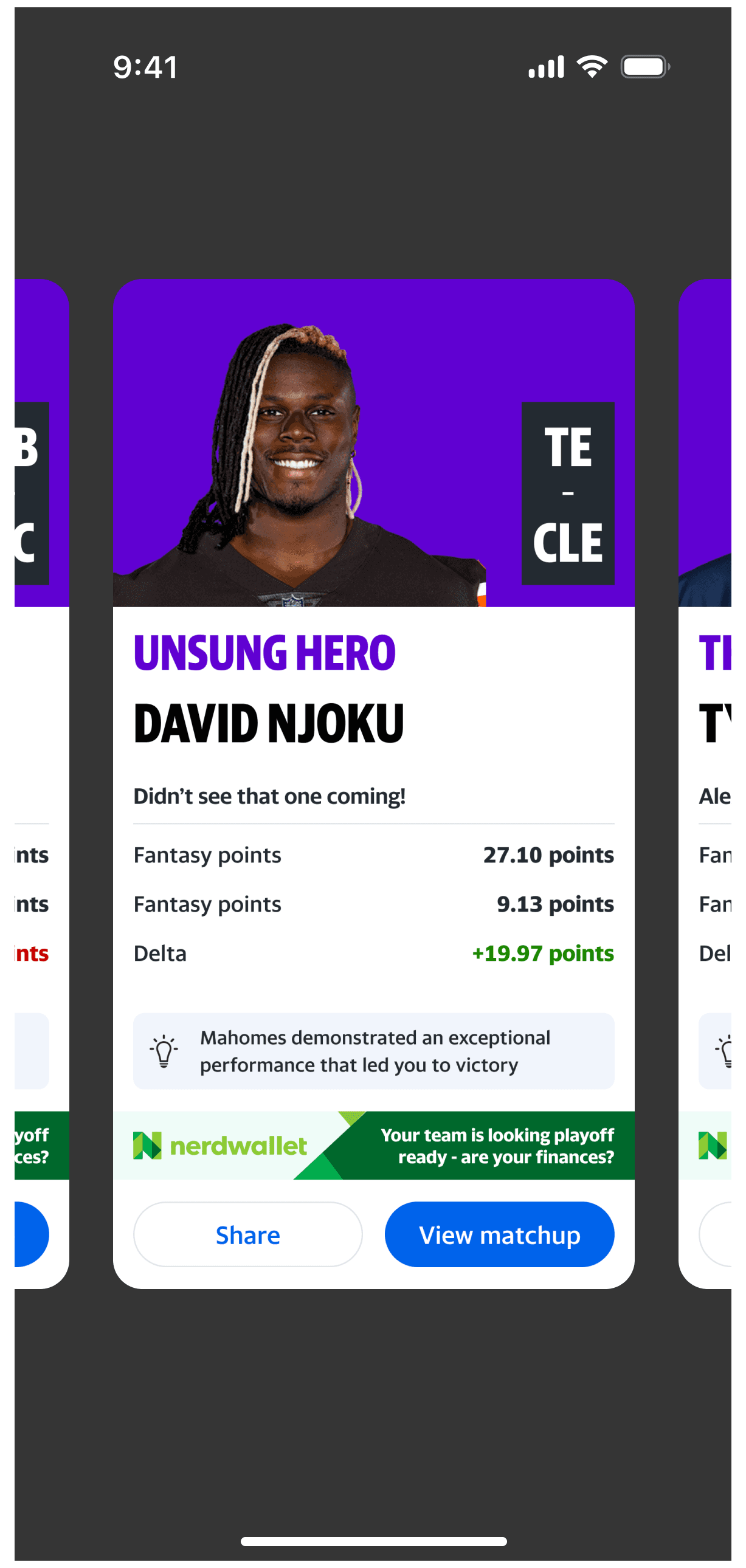
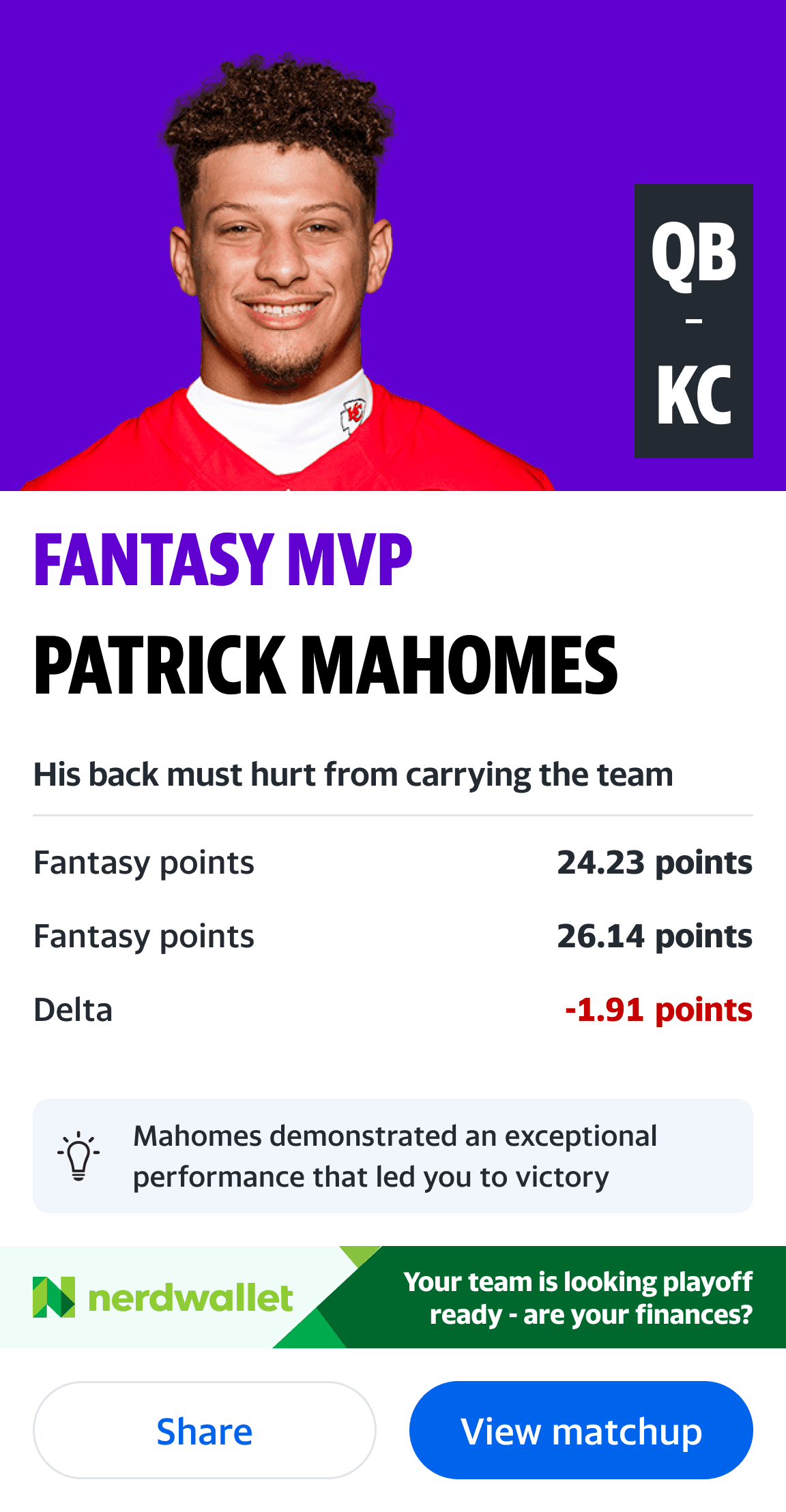
I saw an opportunity to turn a moment users wanted to dismiss into one they actually wanted to sit with — a result that felt earned, a breakdown worth reading, and an experience that rewarded the week's investment. The redesigned module went on to break revenue records and meaningfully increase user activity.
Turning a forgettable moment into one worth celebrating — and breaking revenue records in the process.
+$5 million
Expected revenue
+11.0%
Overall user activity
Role
Product Designer II
Timeline
November 2023 - February 2024



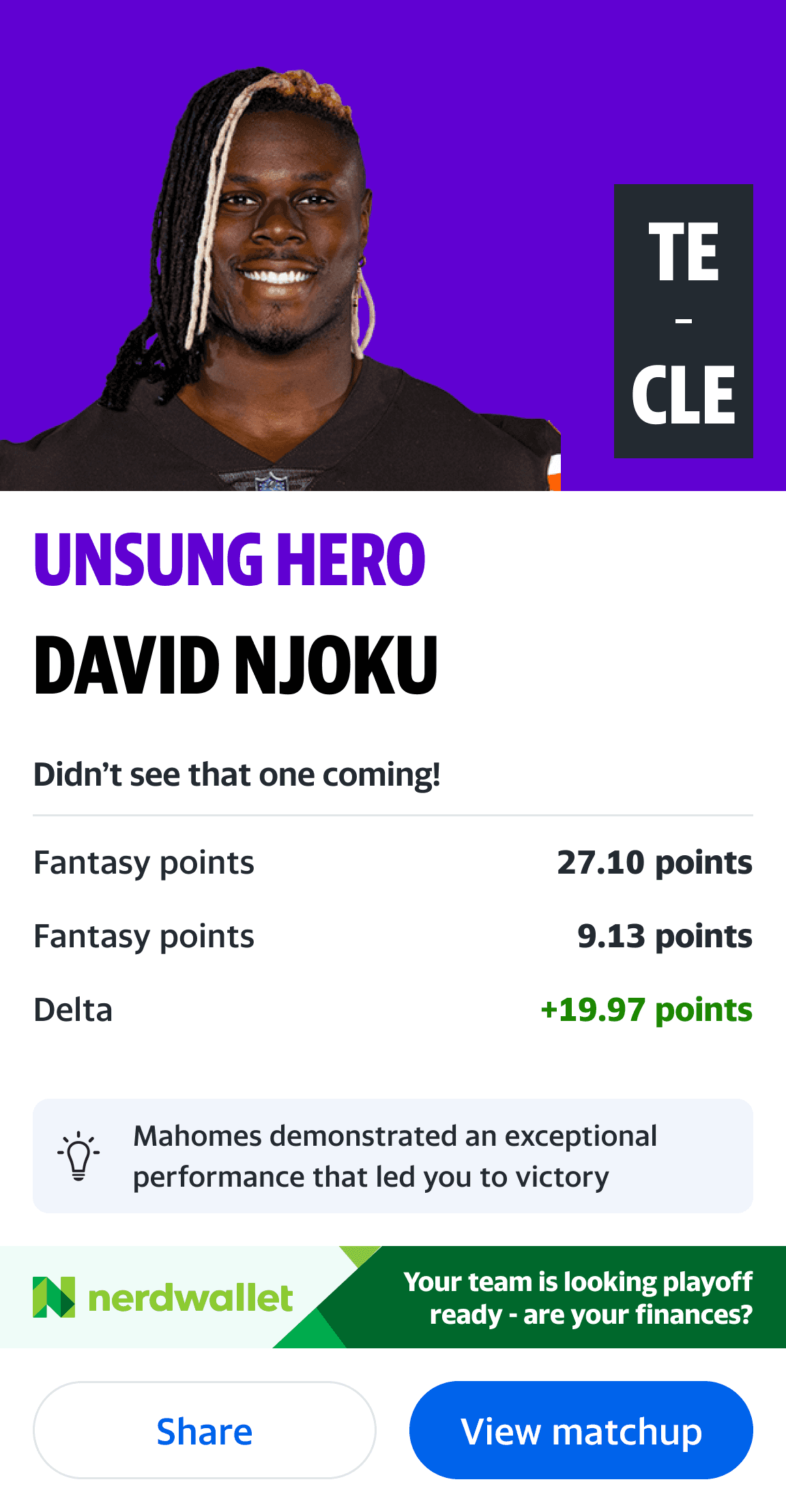
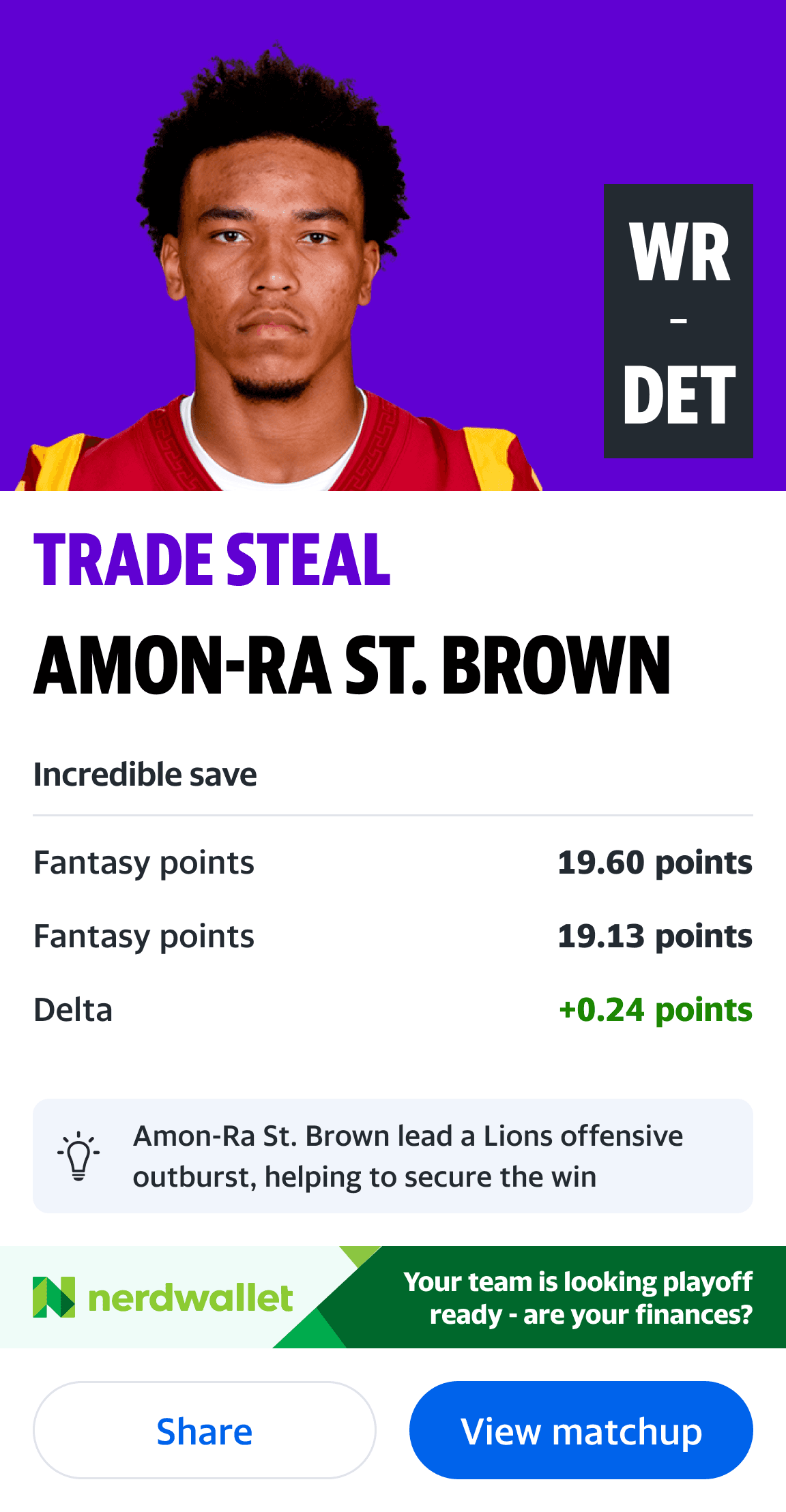
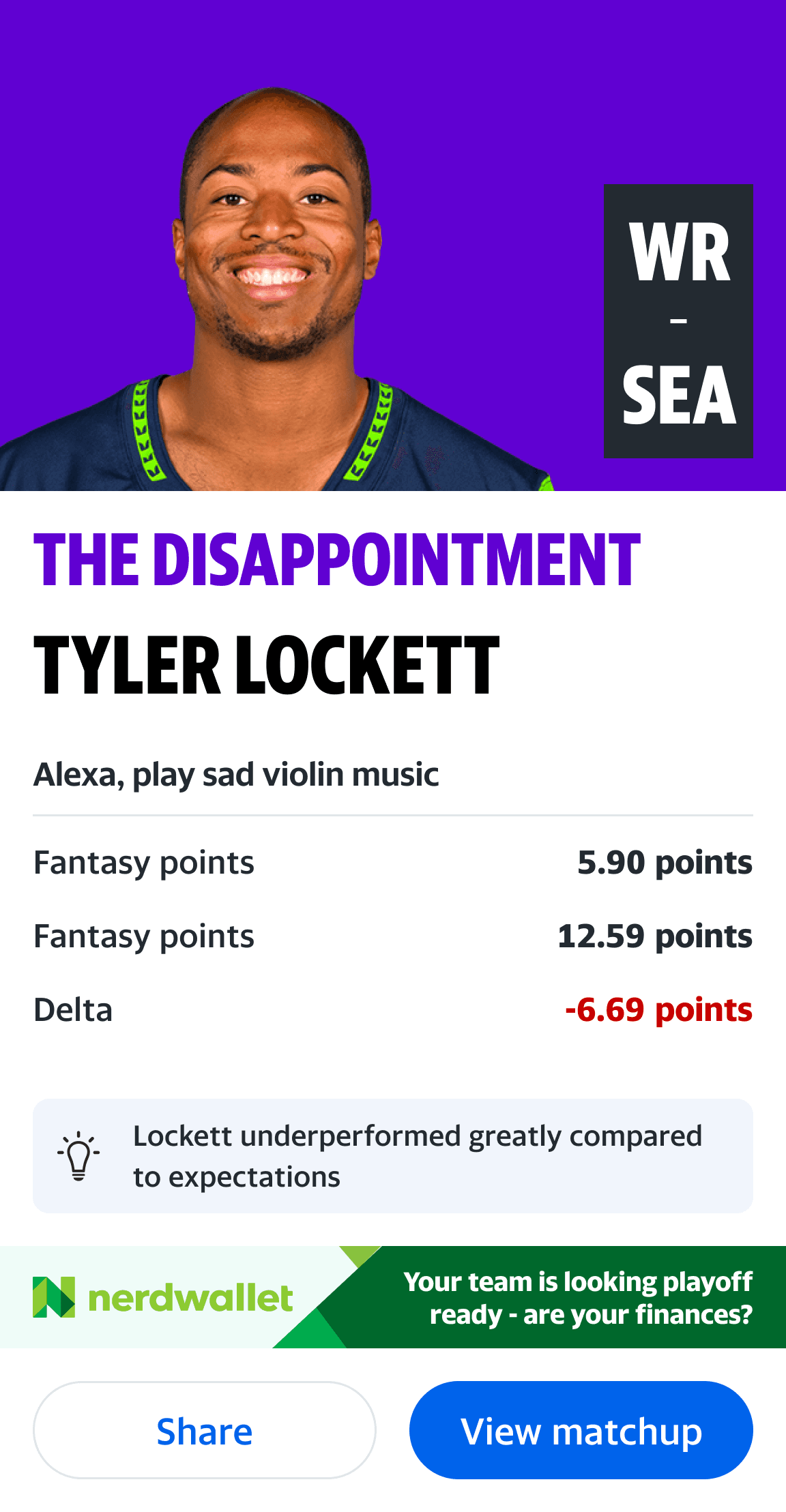
How to win fantasy sports
Private v public league performance
Public leagues experience significant churn rates only a few weeks after they were created. Private leagues, on average, however, had consistent activity for all 17 weeks.
Public league activity
Start week
End week
Private league activity
Start week
End week
How to win fantasy sports
Comparing private and public league experiences
What are some advantages private leagues have over public leagues and how might I find opportunities to bring over these features into public fantasy leagues in efforts to increase user retention?
1
Accountability
When users know who they're competing with, they're more likely to be active
2
Social network
Knowing people in the league makes it easier to clarify complex settings
3
Custom settings
Settings can be modified in order to accommodate newer players
What pain points are users facing in public leagues?
When our research team spoke to users directly about their behavior, the two most common reasons as to why they were no longer playing were due to high time commitments and perceived complexity
Too much time commitment
Too complicated to understand
Synthesizing sideline insights
Fantasy players want to enjoy the game without a steep learning curve. To help simplify the experience, I asked private-league players what advice they’d give to the average fantasy user. Here’s what they share
Do your research
Stay up to date on player rankings, injuries, and team dynamics
Draft flexibly
Have a game plan but be ready to adapt if the players you want are taken or injured
Track waiver wire
Waivers are one of the most powerful ways to improve your team with un-drafted players
Crafting the next play
Players are more likely to churn when fantasy feels hard to learn or compete in. This created an opportunity to better educate users about their players and help improve their performance
How to win fantasy sports
Coach’s Notes
I asked colleagues which player details they value most, then designed player cards that reflected those insights through several iterations.
Fantasy points
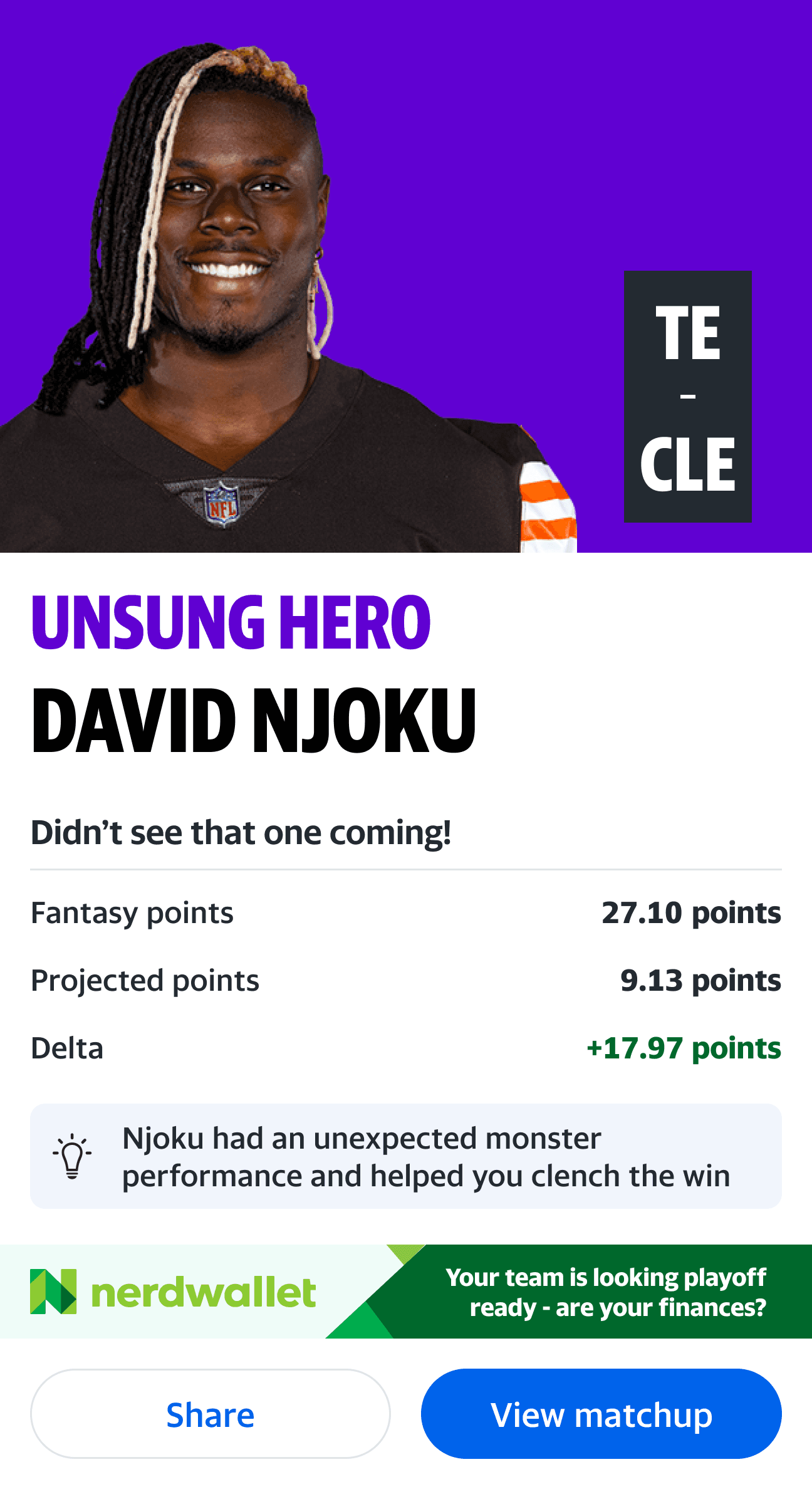
Provide context to players over or under performing
Can be implemented across all fantasy sports
Player statistics
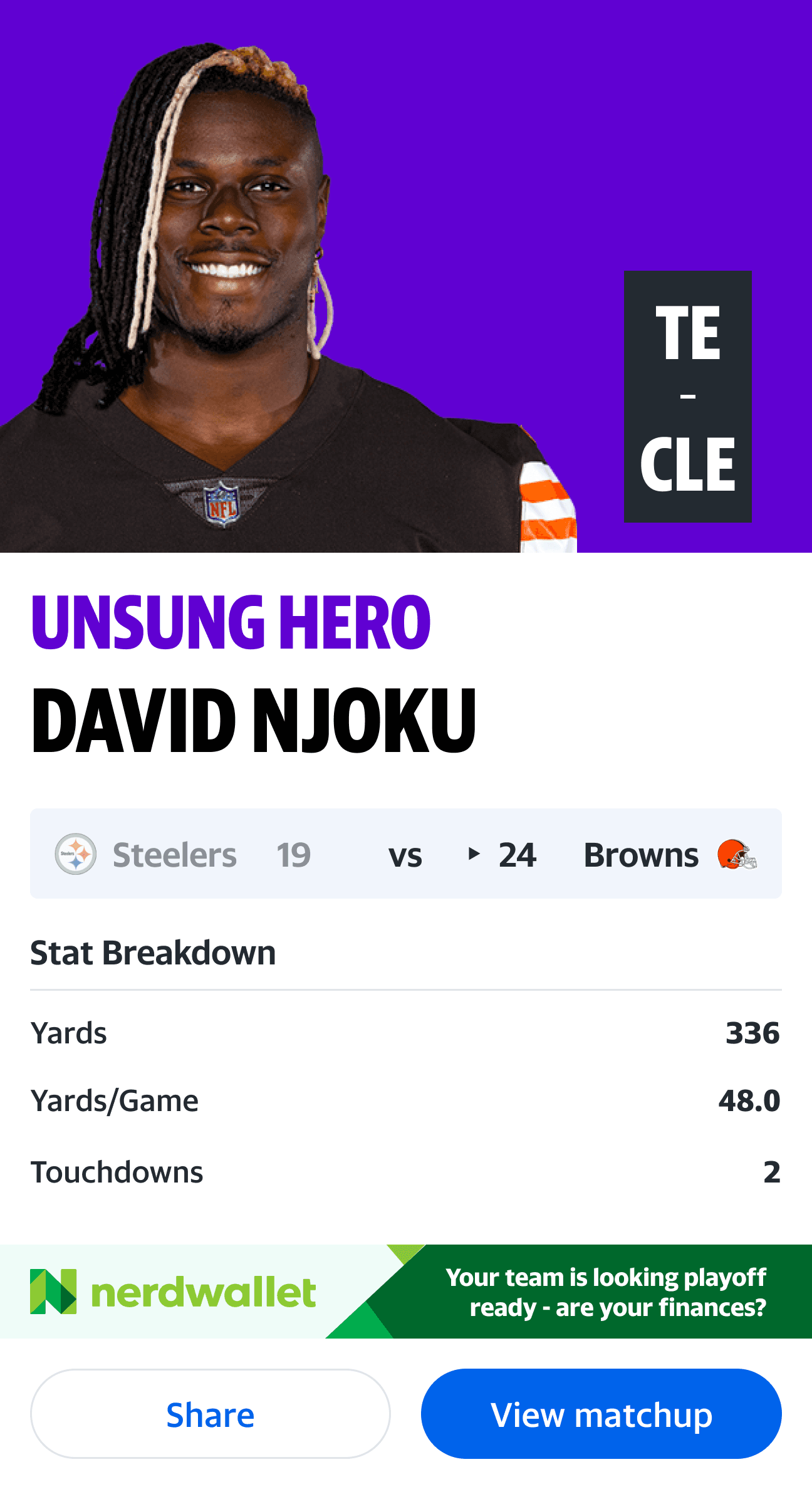
Gives context to how points are calculated
Custom code needed for different sport types
Player news
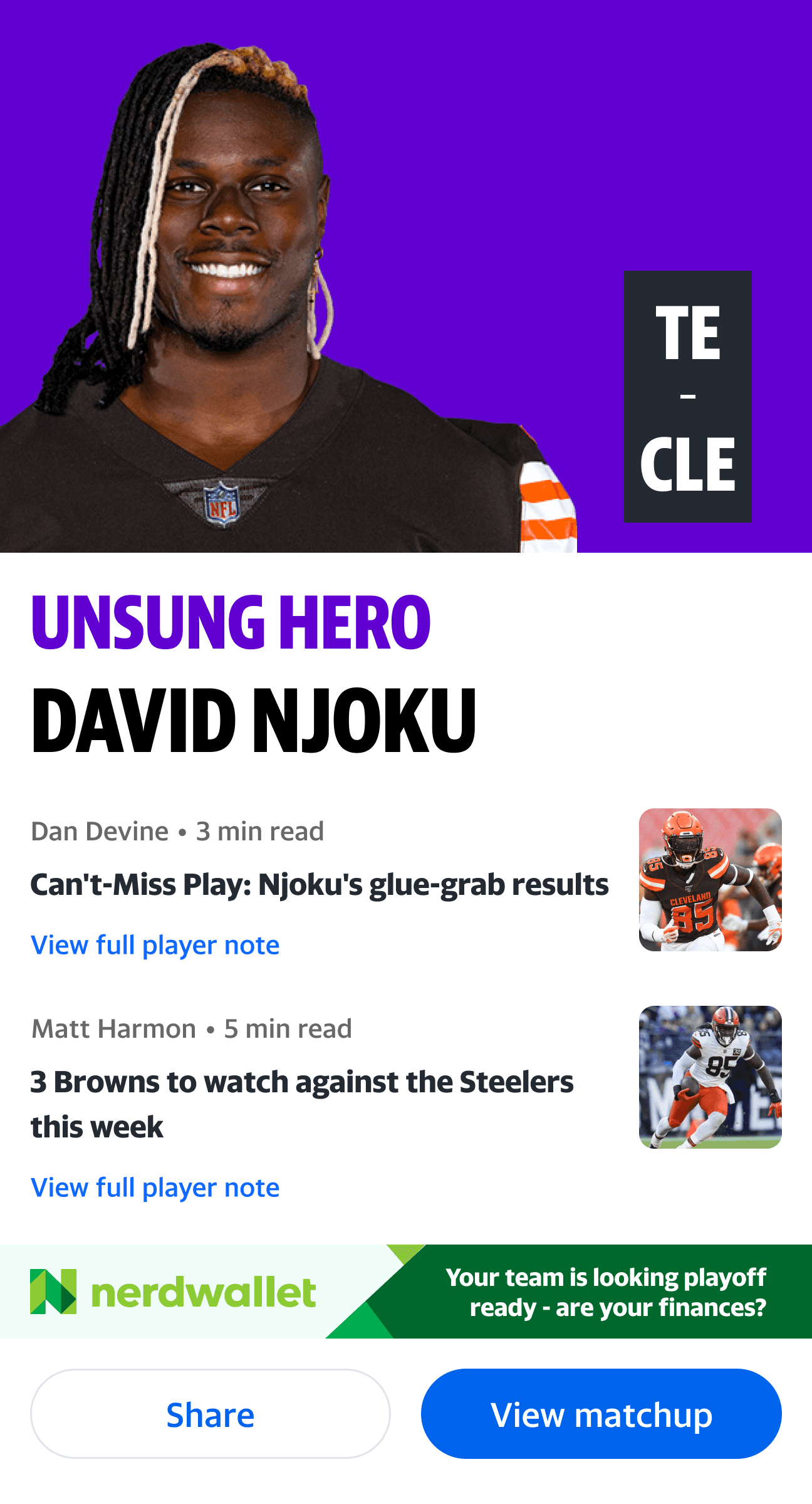
Gives context to overall player performance
Redirects users away from the Yahoo Fantasy app
How to win fantasy sports
Lofi prototypes to spark up conversations
How might I present more information about the public league user's fantasy team?
I began by drawing some "north star" iterations* to inspire conversations and drive momentum
*Not all iterations are shown here, just the ones that has the biggest influence
Card swipes
Opportunity to share more matchup info to users
Not enough data for what info users want surfaced
Card stack
Allows users to easily shuffle and go back to cards
Interaction is not common. Users might be confused
Envelope expansion
Feels more personal and users can easily view cards
High level of effort for eng. to build the envelope
How to win fantasy sports
I refined the playbook after aligning with product and engineering
Crafting a module that balanced function and form
It was important that the information shared here was compelling and accessible the first time the user experienced it, as well as the 50th.
*Not all iterations are shown here, just the ones that has the biggest influence
Horizontal scroll
Easy access to more cards. Conventional interactions
Gives cards room to scale up in information
Center expansion
Allows for more cards and conventional interaction
Matchup results should be first and top/left, not center
Vertical scroll
Easy access to more cards. Conventional interactions
Difficult to increase information space on cards
Give it some game-day flair
The team wanted confetti to amp up the celebratory effect. They asked; I delivered.
How to win fantasy sports
Post game highlights
I partnered with sales to explore new revenue tiers. Custom confetti—featuring brand colors and logos—quickly became a popular, more premium option
Tier 1
Generic confetti. Opportunity to add custom GAM ad to the card
Tier 2
Custom confetti colors. Opportunity to add custom GAM ad to the card
Tier 3
Custom confetti colors with logo. Opportunity to add custom GAM ad to the card
What difference was made?
+$5M in expected revenue
Generated revenue on par with Yahoo!’s standout 2019 performance, ultimately exceeding annual goals by $5 million
~11% increase in user activity
Higher sustained engagement from users in their fantasy leagues
Origami workshops & interaction design initiatives
I was subsequently asked to spearhead interaction design initiatives and began teaching internal courses on Origami following the launch